
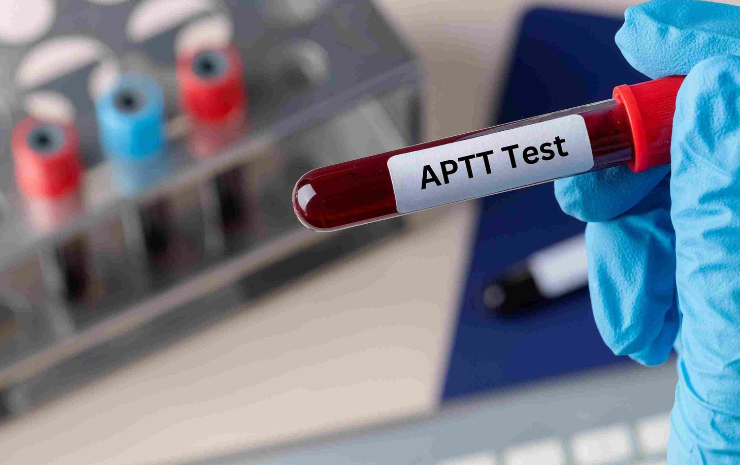
The Activated Partial Thromboplastin Time (aPTT) test is a crucial diagnostic tool used in assessing blood clotting function. By evaluating the time it takes for blood to clot after damage to tissues or blood vessels, the aPTT test provides valuable insights into the functionality of clotting factors within the blood.
Introduction to APTT Test
The aPTT test, which is a more sensitive version of the Partial Thromboplastin Time (PTT) test, is instrumental in monitoring a patient’s response to heparin therapy. This test helps healthcare providers in urgent care evaluate the clotting process before surgical procedures, screen for bleeding disorders such as hemophilia or von Willebrand disease, and assess liver function.
The aPTT test evaluates the performance of several blood clotting factors, such as factors I, II, V, VIII, IX, X, XI, and XII, among others. These factors play vital roles in the intrinsic and common coagulation pathways within the body, highlighting the comprehensive nature of the aPTT test in assessing clotting functionality.
Purpose of APTT Test
The primary purpose of the Activated Partial Thromboplastin Time (aPTT) test is to gauge the time required for blood to form a clot. Typically, the normal range for aPTT falls around 20-35 seconds, providing healthcare professionals with a reference point to evaluate a patient’s clotting capabilities. Monitoring aPTT levels can aid in diagnosing and managing various clotting disorders, ensuring timely intervention and targeted treatment plans.
Interpreting APTT Results
Deciphering the results of the Activated Partial Thromboplastin Time (aPTT) test, understanding the normal range and the factors that can influence the test outcomes is crucial for healthcare professionals and patients alike.
Normal APTT Range
The normal range for aPTT test results typically falls between 21 to 35 seconds. It’s important to note that this range can slightly vary depending on the specific laboratory where the test is conducted. Deviations from this range may indicate underlying health conditions that affect blood clotting.
- Normal Range: 21 – 35 seconds
Factors Affecting APTT
Various factors can influence the results of the aPTT test, leading to either shorter or longer clotting times. Understanding these factors is essential for accurate interpretation of the test results.
Shortening of the aPTT may occur due to factors such as elevated factor VIII activity related to acute or chronic illnesses, inflammation, or technical issues during sample collection and processing. On the other hand, prolonged aPTT results could be indicative of clotting disorders, liver disease, vitamin K deficiency, or certain medication use.
It’s important for healthcare providers to consider these factors when assessing a patient’s aPTT results and determining the appropriate course of action based on the individual’s medical history and clinical presentation.
Grasping the normal range of aPTT results and recognizing the potential factors that can impact these outcomes, healthcare professionals can effectively evaluate patients’ clotting status and provide tailored medical interventions to address any abnormalities detected during aPTT testing.

Uses of APTT Test
Understanding the uses of the Activated Partial Thromboplastin Time (APTT) test, it serves two primary purposes: monitoring heparin therapy and detecting bleeding disorders.
Monitoring Heparin Therapy
The APTT test is an invaluable tool for monitoring patients undergoing heparin therapy. Heparin is a common anticoagulant medication used to prevent blood clots. The APTT test is critical in assessing a patient’s response to heparin, ensuring that the dosage is effective in preventing clot formation without increasing the risk of bleeding complications.
Measuring the APTT levels, healthcare providers can fine-tune the heparin dosage to keep the patient within the therapeutic range. The test helps in determining the appropriate course of treatment for individuals at risk of developing blood clots or embolisms.
Detecting Bleeding Disorders
Elevated APTT levels, beyond the normal range, may signify an underlying bleeding disorder or liver disease. These abnormal results prompt further investigation and help healthcare professionals diagnose and manage conditions that affect the body’s clotting process.
It’s essential to interpret APTT test results accurately, as they provide valuable insights into a patient’s coagulation status. By utilizing the APTT test for monitoring heparin therapy and detecting bleeding disorders, healthcare professionals can deliver targeted and effective care to individuals with clotting abnormalities.
Clinical Significance of APTT
Analyzing the clinical significance of the activated partial thromboplastin time (APTT) test, it is important to consider both high and low APTT levels and their possible implications.
High APTT Levels
Elevated APTT levels in the APTT blood test may indicate underlying health conditions or disorders that affect the blood’s ability to clot properly. Here are some considerations for high APTT levels:

Causes of High APTT Levels:
- Bleeding Disorders: Higher than normal APTT values could be indicative of a bleeding disorder affecting the clotting process.
- Liver Disease: Liver conditions can impact blood clotting factors, leading to prolonged APTT results.
- Risk of Blood Clots: Conversely, lower levels of APTT may increase the risk of blood clot formation and recurrent miscarriages.
Factors Contributing to High APTT Levels:
- Clotting Factor Deficiencies: Conditions causing low levels of clotting factors can result in prolonged APTT measurements.
- Inherited Clotting Factor Deficiencies: Less common genetic clotting factor deficiencies may also play a role.
- Inhibitors Interfering with Clotting: Inhibitors like the lupus anticoagulant can disrupt the clotting process, leading to prolonged APTT readings.
Conducting APTT Test
Conducting the Activated Partial Thromboplastin Time (APTT) test, it is essential to understand the sample collection process and how to interpret the test results accurately.
Sample Collection Process
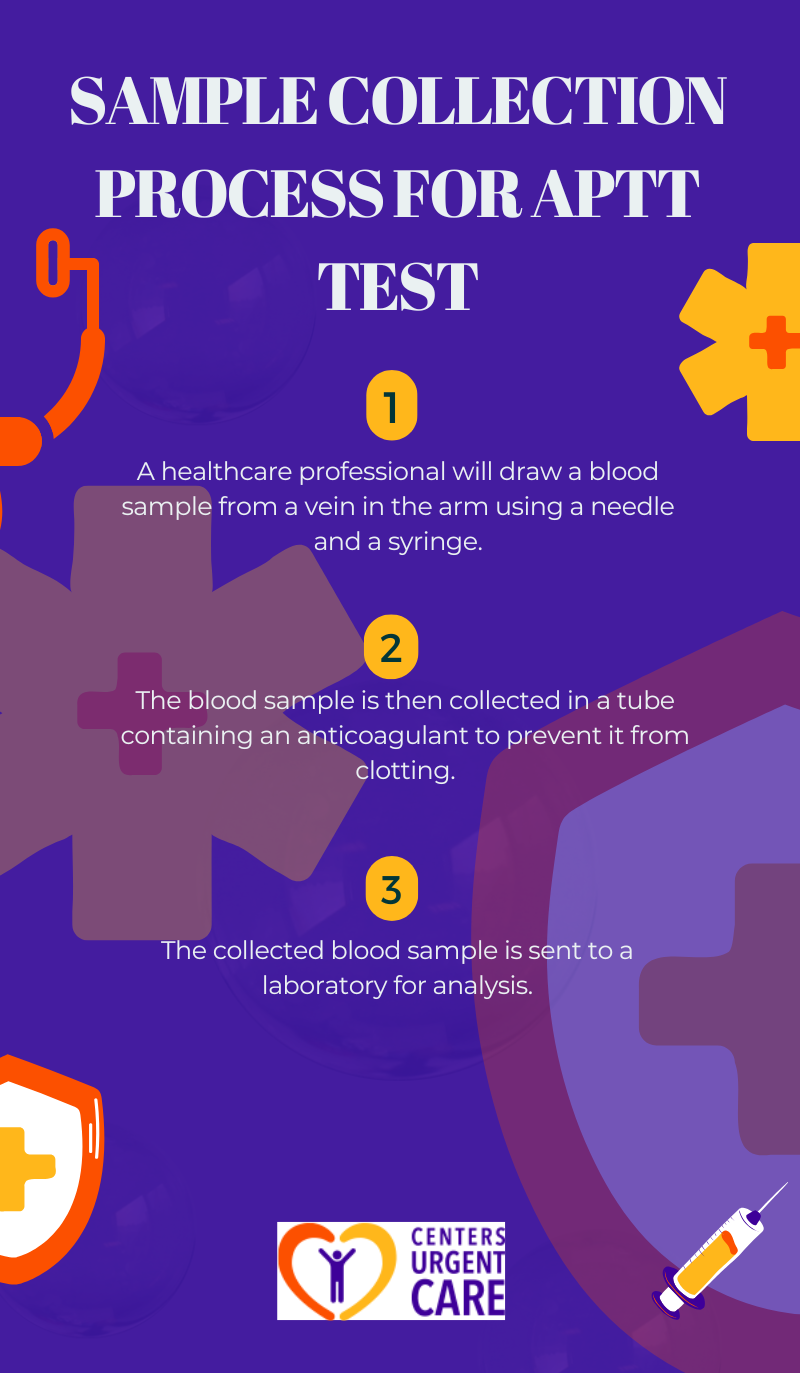
The APTT test is a vital component of diagnosing clotting disorders and monitoring heparin therapy. The sample collection process for the APTT test is relatively simple and involves the following steps:
The APTT test report is usually generated on the same day after sample collection, providing healthcare professionals and patients with prompt results that can be obtained from the healthcare facility or downloaded from the official website for convenience and efficient management of patient care.
The APTT test is a critical component of evaluating clotting function and identifying potential clotting abnormalities. By understanding when this test is recommended and its implications for diagnosing clotting issues, healthcare professionals can better assess and manage coagulation disorders in patients. At Centers Urgent Care, we offer fast, high-quality urgent care services in NYC for children and adults, ensuring you receive the care you need when you need it most. If you’re looking for the best urgent care, contact us today to learn how we can help you maintain optimal health!
Sources:
2025 has changed my life. I never believed I would be cured by a spell caster who specializes in herbal cure and magical spells. I am talking about the help Doctor Odunga gave to me. I have been cured of herpes HPV which has plagued me for over 2 years. I am very happy to tell others that if you want to be cured or get your ex back spells and get pregnant naturally, even financial blessing through lottery, there is only one place to be and that is with Dr Odunga Spell Temple. Am so happy that just 3 days after taking DR ODUNGA Herbal treatments my herpes was cured permanently. DR ODUNGA also have cure to #HIV #Diabetes #Lupus #Tinnitus #Fibroid #Cancer #Hepatitis B, #Syphilis #Infertility etc … If you have this ailment or whatsoever you might be suffering from you should contact him at his EMAIL: odungaspelltemple@gmail.com OR VIA Whats App +2348167159012
Great explanation of the APTT blood test! Understanding clotting function is crucial, especially before surgeries or for patients on blood thinners. At our Best pathology lab in Baramkela , we regularly perform APTT tests to help doctors monitor and diagnose bleeding disorders effectively. Clear information like this really helps patients feel more informed and at ease. Thanks for sharing!